Over 80% of visitors who visit our site want to experience South Africa in an entirely new way. With a growing catalogue of unique cultural and community tourism experiences, Tour2.0 is uncovering the South Africa’s uniqueness one community at a time. Join our community and be the first in line to learn about the launch of new experiences, receive invites to exclusive Initial Public Experiences and receive exclusive discounts.
1. Visit Gugulethu and interact with community members.
2. Learn about local arts and crafts projects.
3. Visit Spaza Shops (informal stores) in the community.
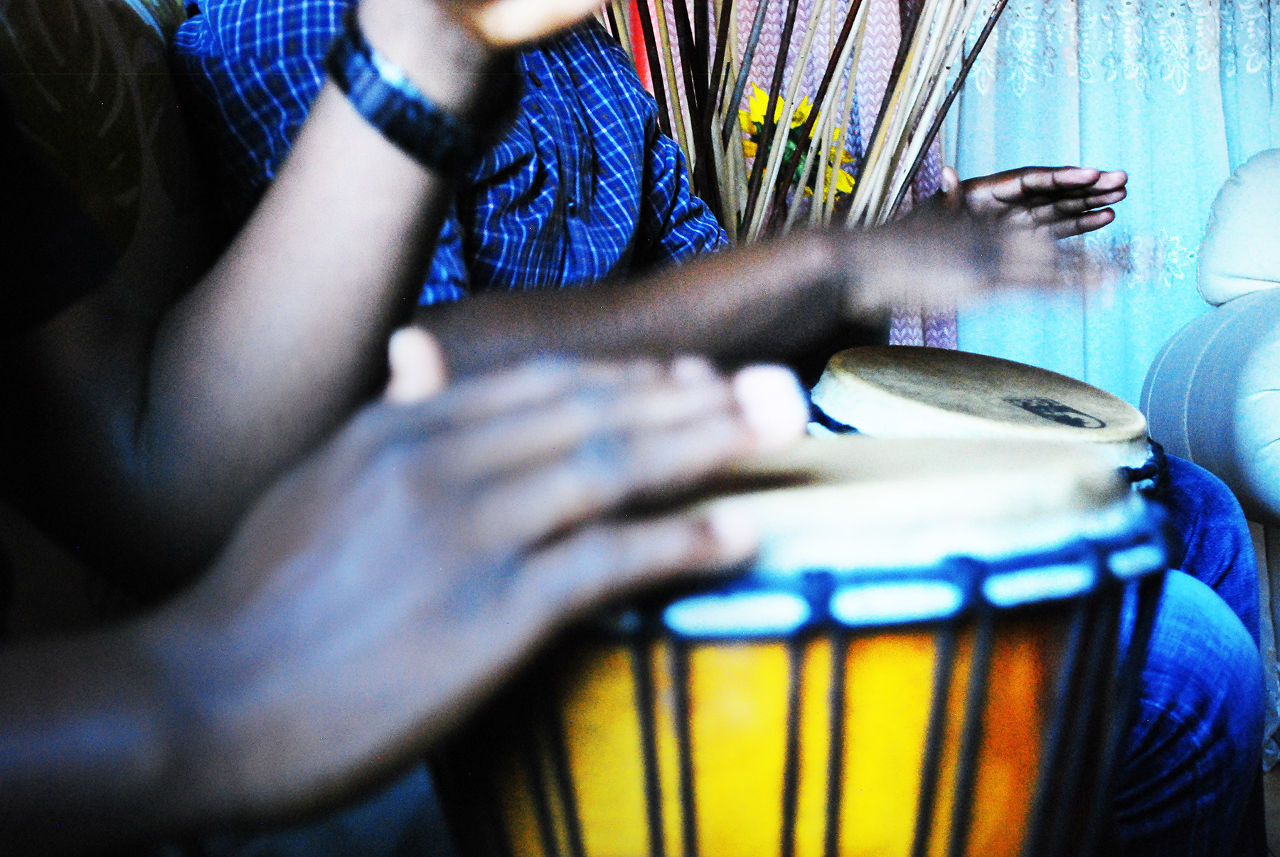
4. Get a drumming lesson.
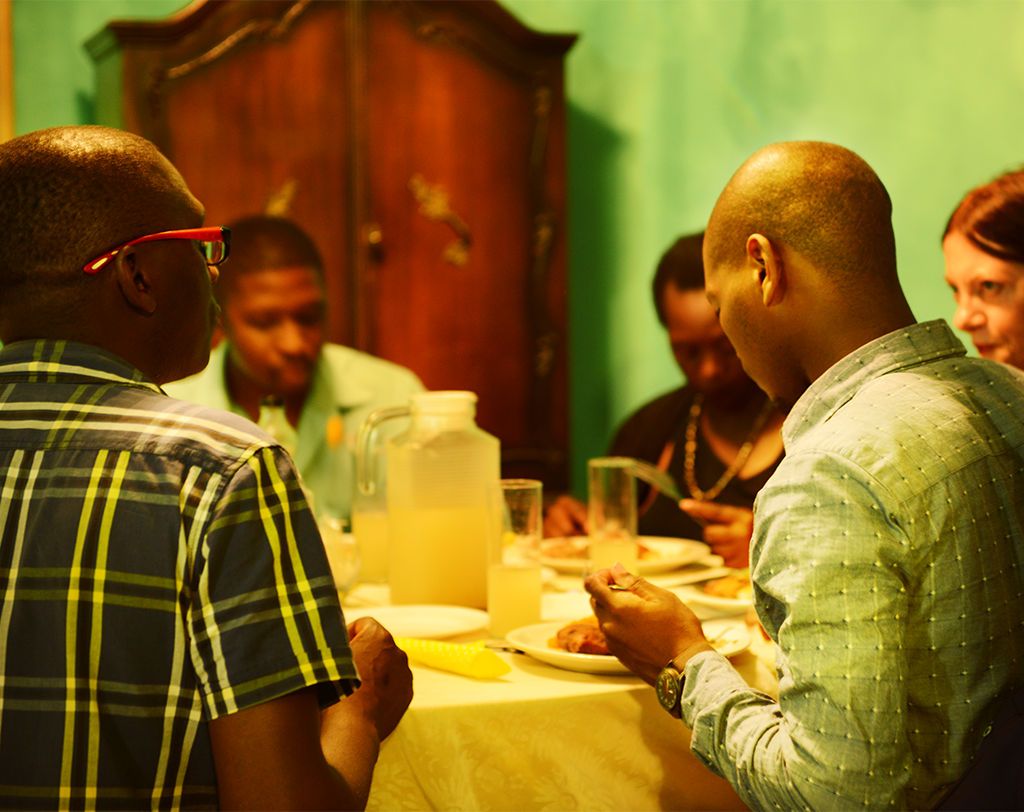
5. Dinner at the home of a local.
Includes:
Food and refreshments.
Excludes:
Transport to and from the tour.
Show Detailed Itinerary
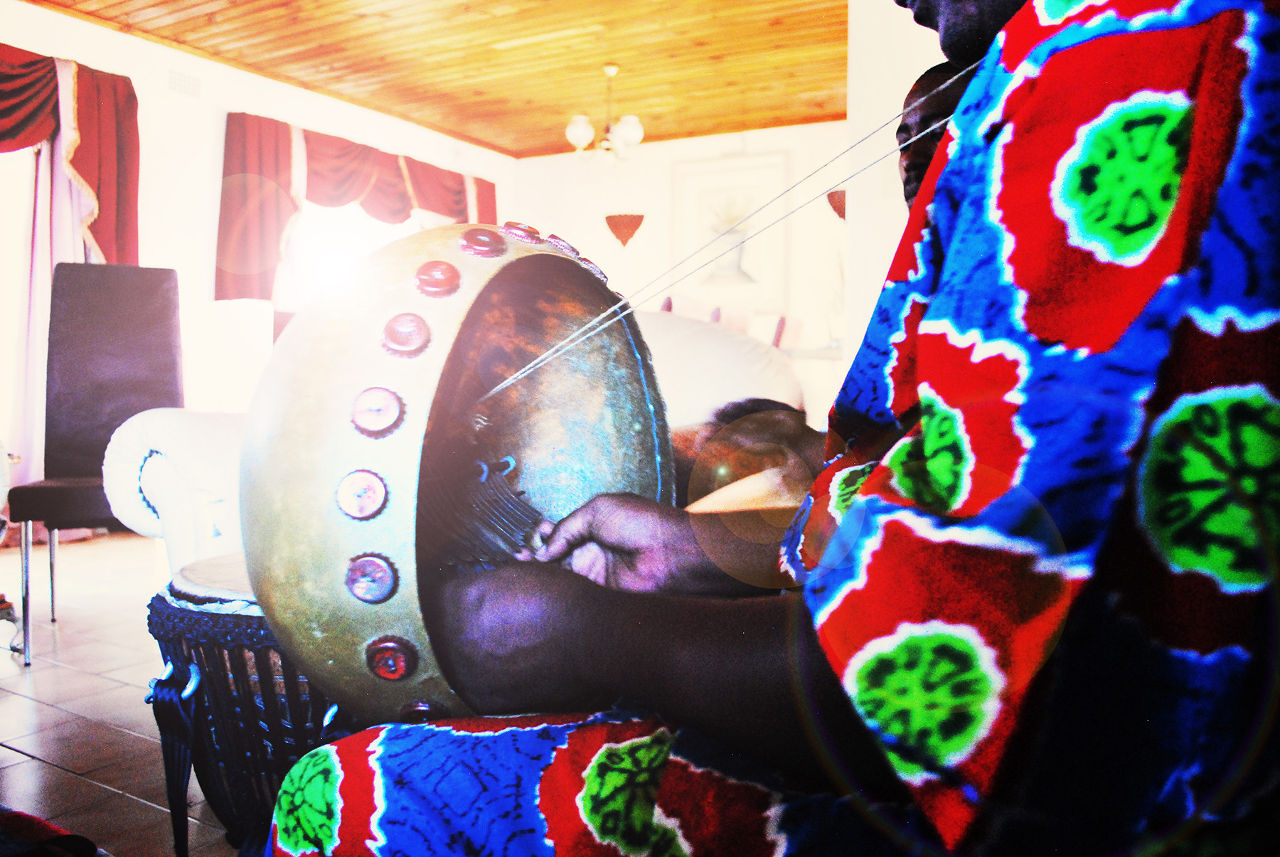
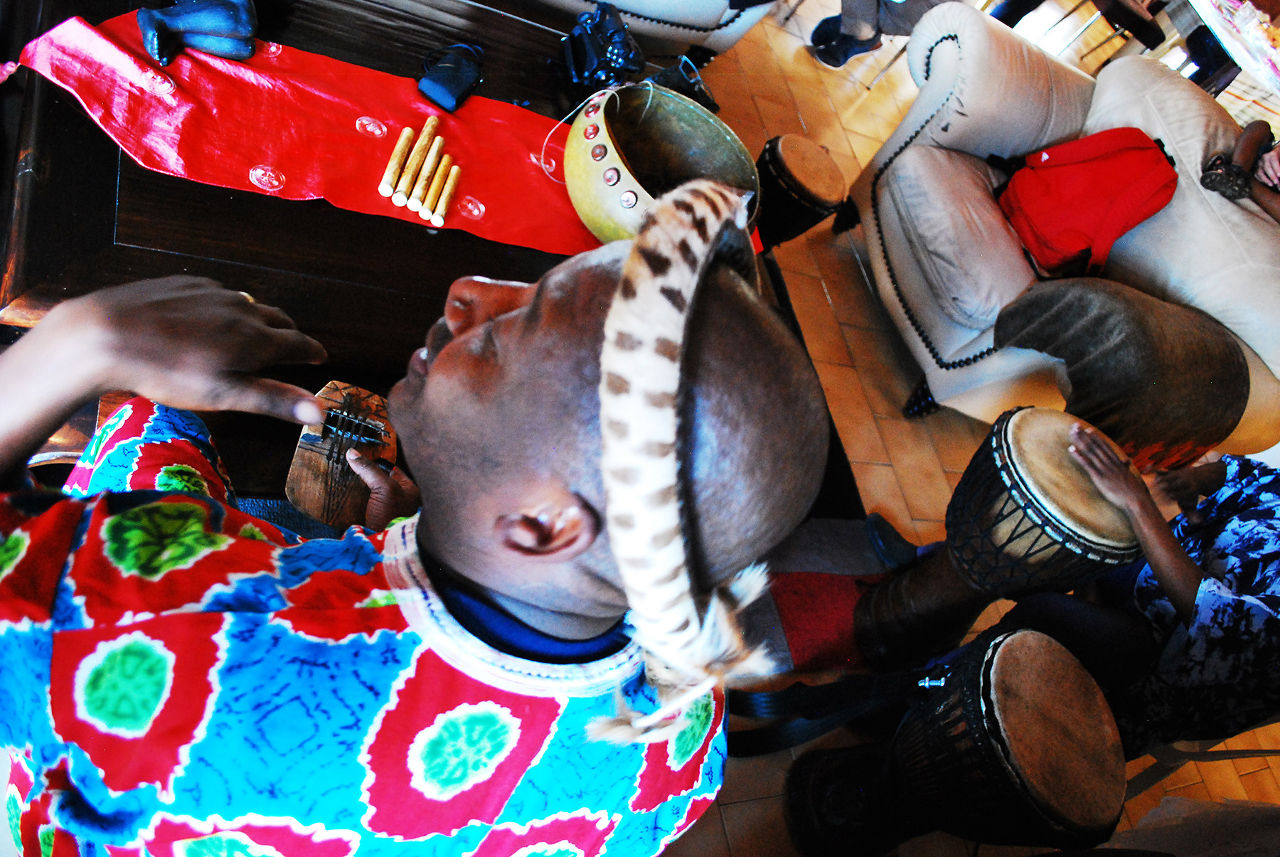
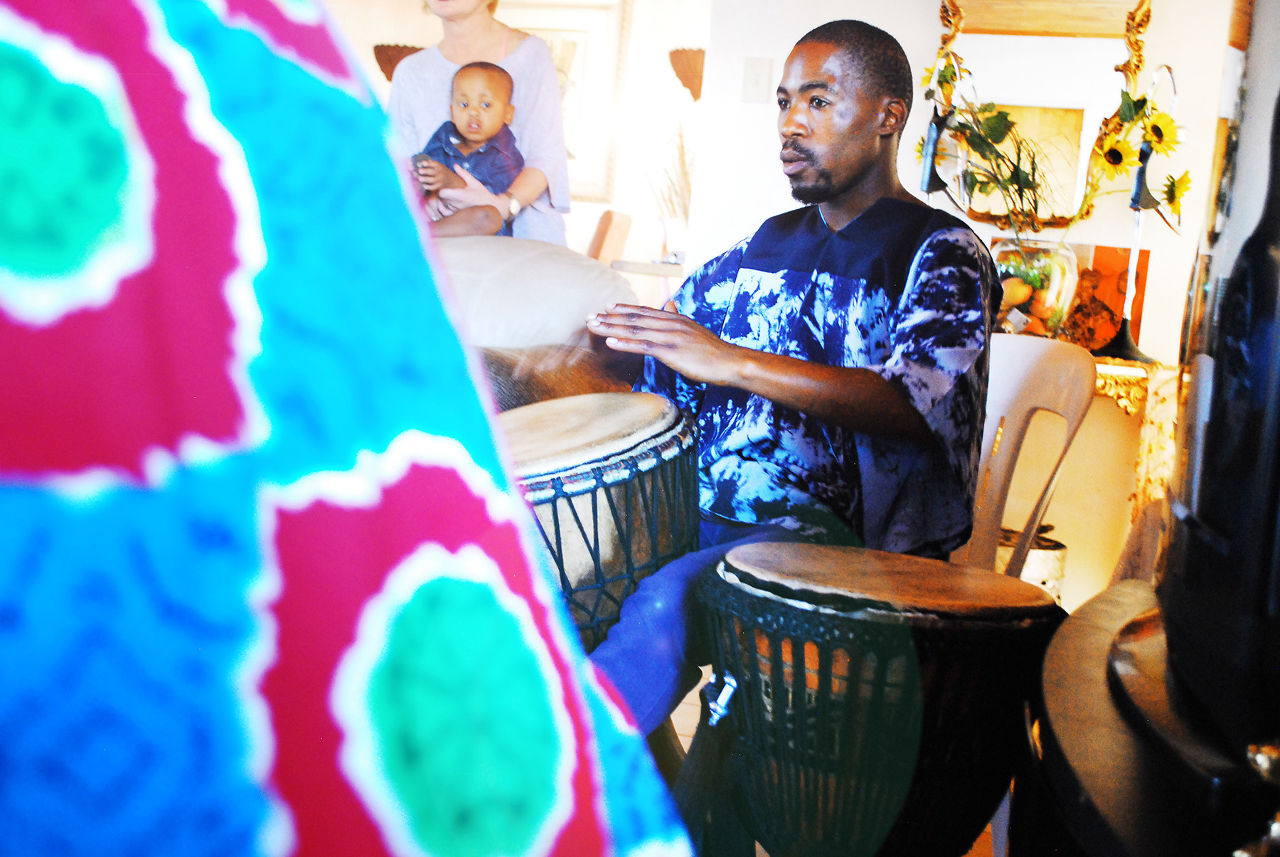
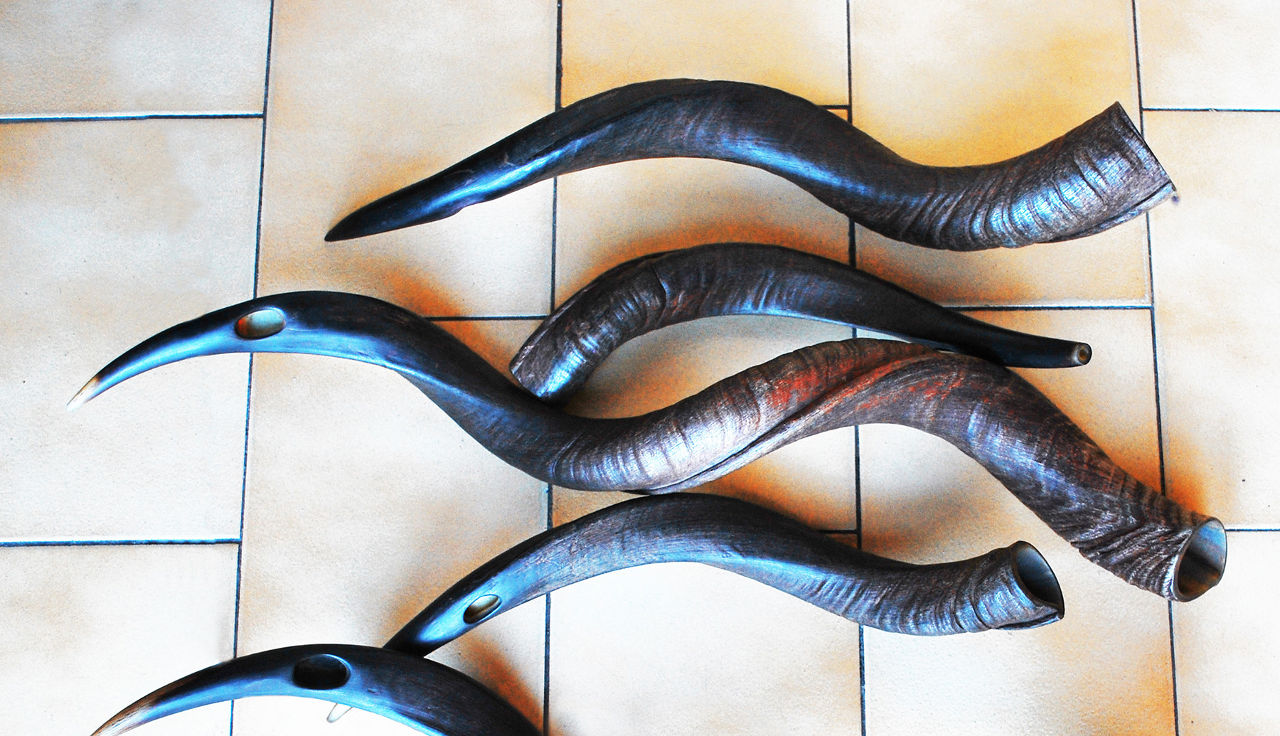
What locals refer to, as the Beverley Hills of Gugulethu is the setting for what will be an unforgettable and easy-going afternoon of learning about various African musical instruments and traditions. Our instructors for the next hour are Henry and his associate Thabo. Henry, a down-to-earth man with an exceptional knowledge of Pan African musical traditions, has an insatiable appetite for melodies from all across the continent. His knowledge is second only to his passion for music, a love he expresses through a number of instruments, amongst them those that he’ll teach us during our visit – the Djembe (drum) of West Africa, Kudu horns of Uganda, reed pipes of Venda and Mbira, the handheld harp of Southern Africa. There’s absolutely no time to be wasted on warm ups. We get off to a cracker of a start with a crash course on how to play Djembe drums, and from the first to the last beat; there will be no moment of pause.
The group organises itself into a circle in the lounge area and gets comfortable on the couches and chairs. Thabo, the better drummer of the pair takes over and begins the lesson by teaching us the correct way to hold the Djembe when playing. Once we’ve all wrapped our heads around his directives and our legs are wrapped around the torso of the drums we start with the basic sounds of the instrument – so far so good. His drumming gets progressively faster, but remains at a reasonable pace, quick enough for the most tone deaf in the group to keep up. Each drummer in the circle is encouraged to play back in a call and response fashion with Thabo. Soon there’s an impromptu jam session underway – complete with a drum solo from each of us. When our mounting enthusiasm finally outweighs our limited musical abilities Thabo wraps things up and saves us from ourselves. Henry takes over from here and moves onto the Ugandan Kudu horns. This too soon ends up in laughs and a great time.
With each new instrument our instructor shares its origins and some personal anecdotes to keep things light. The Venda reed pipes are no exception. We learn about the rituals surrounding the occasions when the pipes would be played. Each pipe produces a single note and cannot be played in isolation, but can only make music when played communally with others. This is precisely what our instructor tries to achieve with us a keen group but not in the least musically inclined. As if playing the pipes was not enough of a challenge, our instructor introduces a dance that traditionally accompanies the playing of the pipes. This of course has comical consequences and soon the sound of laughter drowns out the ungainly sounds of the pipes. Henry concludes things with an improvised song on the Mbira.
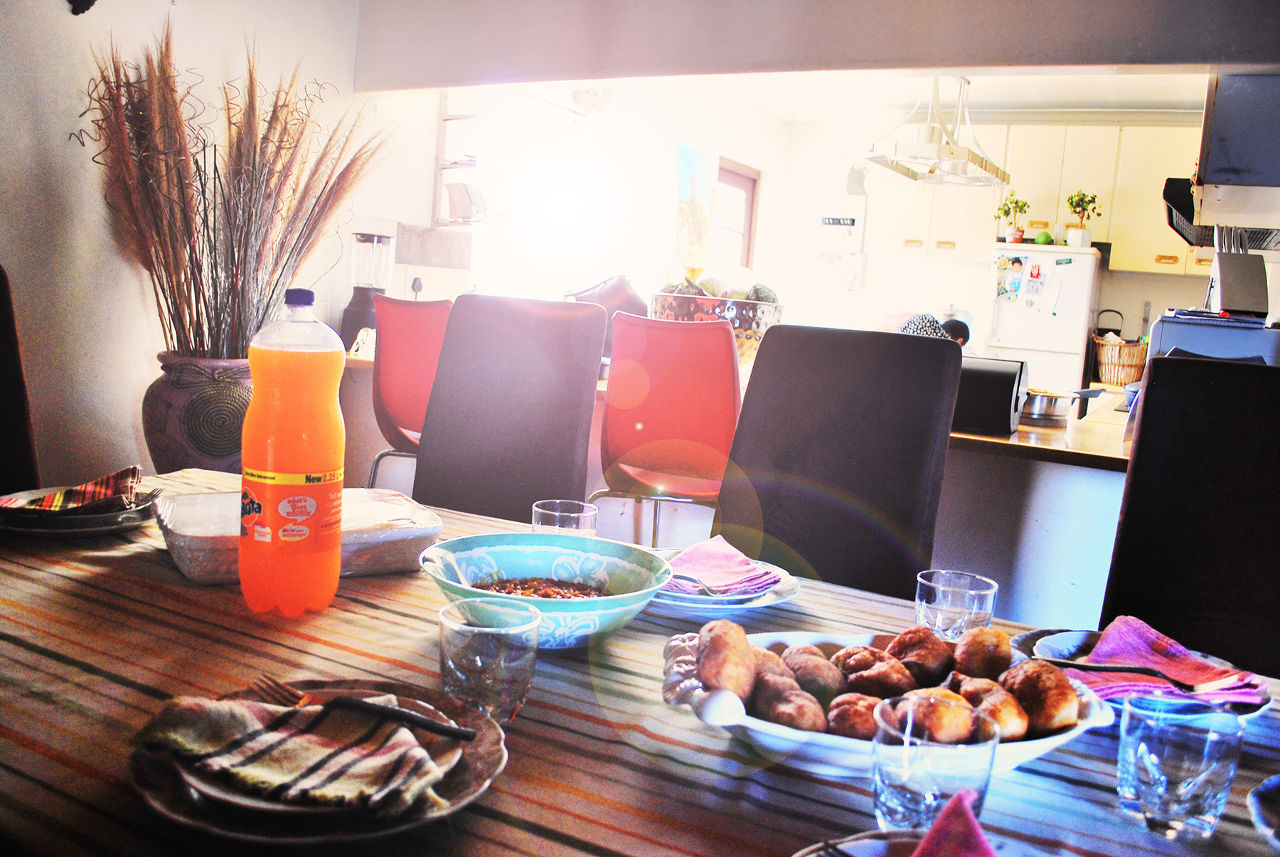
After working up an appetite from producing an hour’s worth of screeching and jarring noises, we’re invited to take a seat around the lunch table and dig into a mouthwatering spread of vetkoeks (a sweet deep fried dough bread), iDombolo (traditional African dumpling) and chakalaka (a savoury vegetable relish) to end the day on a delicious note.
1. Visit Gugulethu and interact with community members.
2. Learn about local arts and crafts projects.
3. Visit Spaza Shops (informal stores) in the community.
4. Get a drumming lesson.
5. Dinner at the home of a local.