Over 80% of visitors who visit our site want to experience South Africa in an entirely new way. With a growing catalogue of unique cultural and community tourism experiences, Tour2.0 is uncovering the South Africa’s uniqueness one community at a time. Join our community and be the first in line to learn about the launch of new experiences, receive invites to exclusive Initial Public Experiences and receive exclusive discounts.
1. A walk through the Bo-kaap including a visit to one or two local shops.
2. Bo-Kaap museum.
3. Hands-on cooking session/demonstration.
4. Ingredients for cooking session.
5. Traditional non-alcoholic welcome drink.
6. Full course Cape Malay meal.
Includes:
Food, cooking lesson, refreshments and gift pack.
Excludes:
Transport to and from the tour.
Show Detailed Itinerary
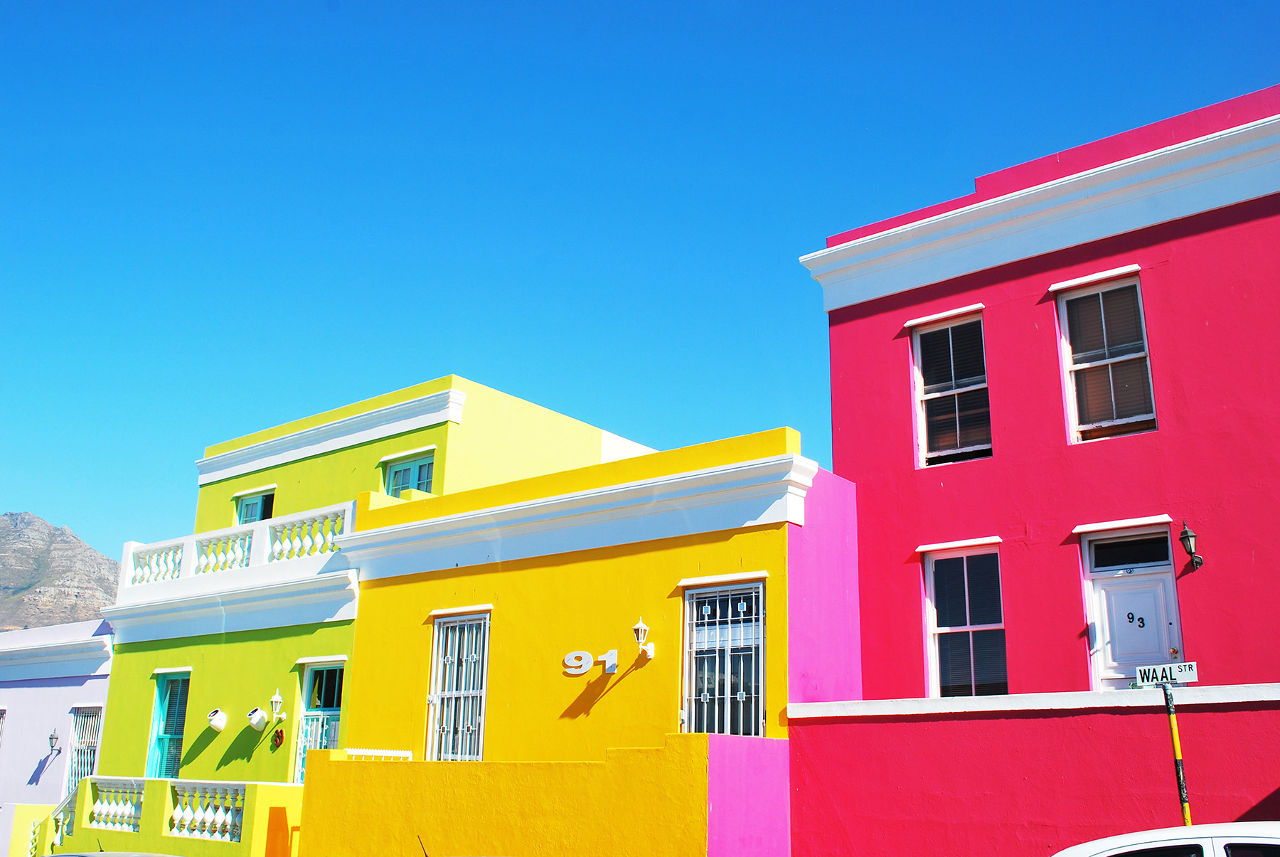
The Bo-Kaap is a suburb in Cape Town situated at the foot of Signal Hill, and is famous for its brightly coloured houses. Beneath the bright surfaces of the homes lies a darker history dating back to the area’s establishment in 1761 when Indonesian slaves were brought to the Cape by Dutch colonizers, and were settled in the area. Fast-forward a few hundred years to a democratic South Africa and the suburb’s houses, painted in a kaleidoscope of colours can be viewed as a symbol of Mandela’s Rainbow Nation. The colourful homes themselves are a reflection of the community – a uniquely diverse Muslim district. The picturesque “Upper Cape” suburb with its multi-coloured homes is the perfect location to learn about the equally vibrant cuisine of the varied Muslim population.
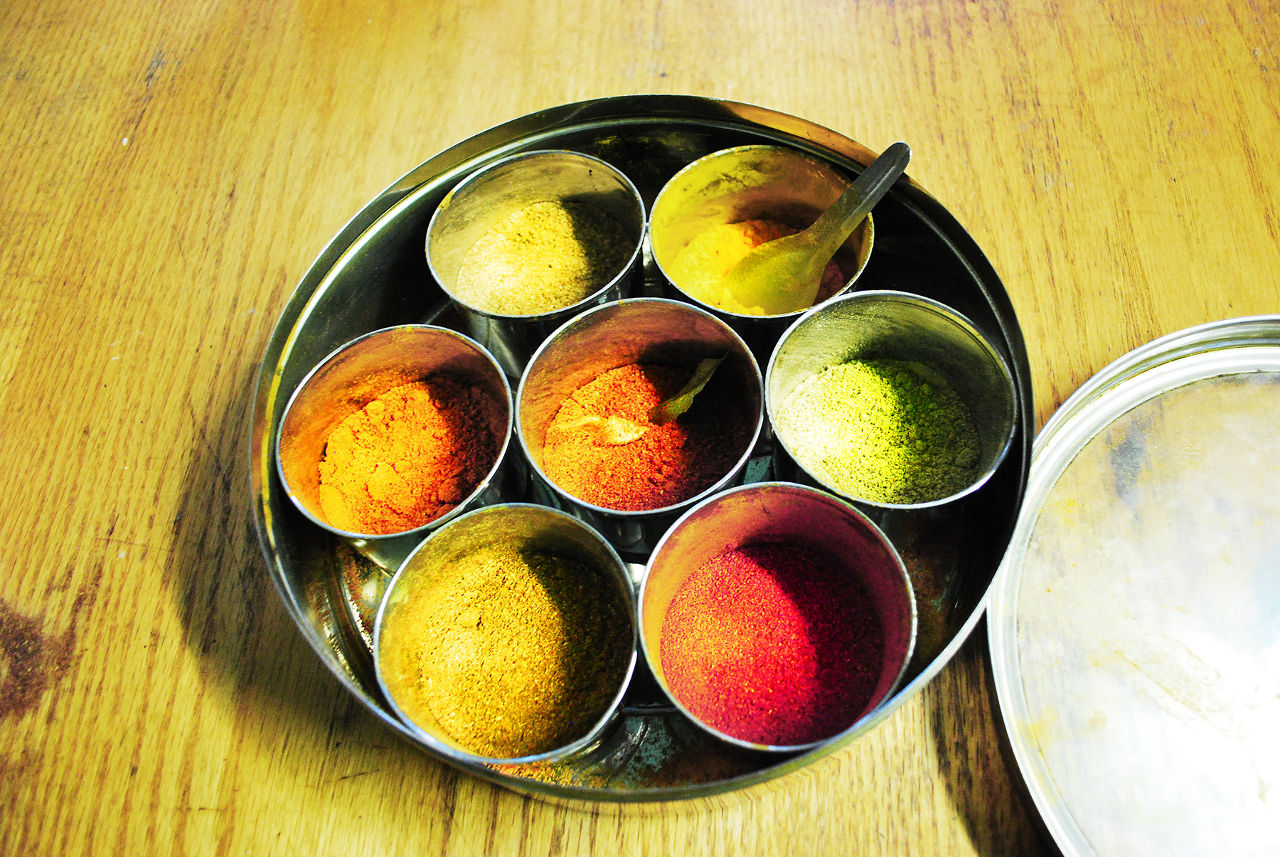
The first point of call is to grab some spicy Samoosas from a local street vendor to hold us over before our immersion into Cape Muslim cuisine truly begins. The fiery starters are a natural lead up to the Atlas trading Co., a spice shop where we learn about all manner of aromatic spices and seasonings that we will get to use later in our cooking class. The next course of action is to meet Faldela our host, at her purple painted house, where our journey into Cape Malay cooking will truly begin. Faldela with her brilliant and zesty personality warmly welcomes us into her home and for the next few hours shares her family history and family recipes with us. It goes without saying that Faldela comes from a family of cooks; two of her sisters own a catering company where she learnt how to cook, but food she says, has always been at the heart of the family.
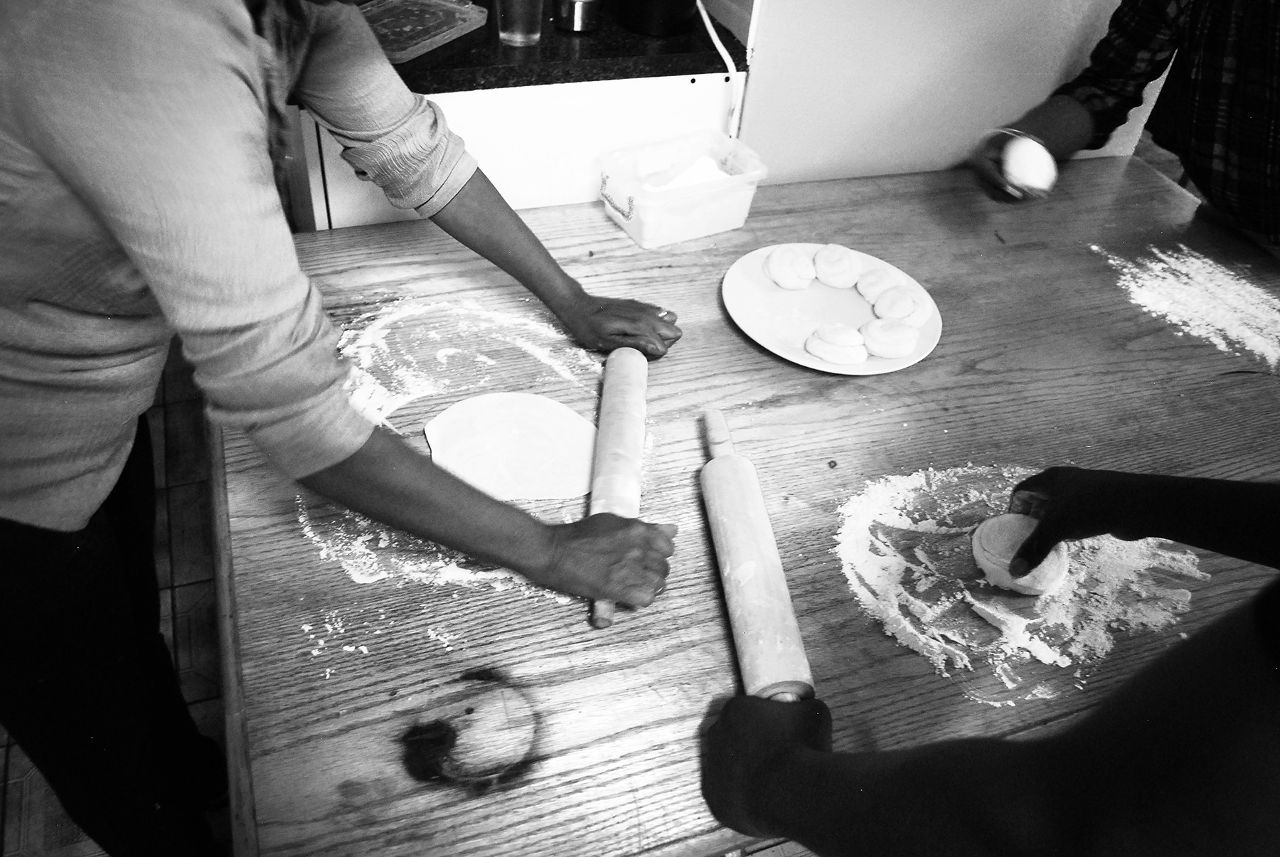
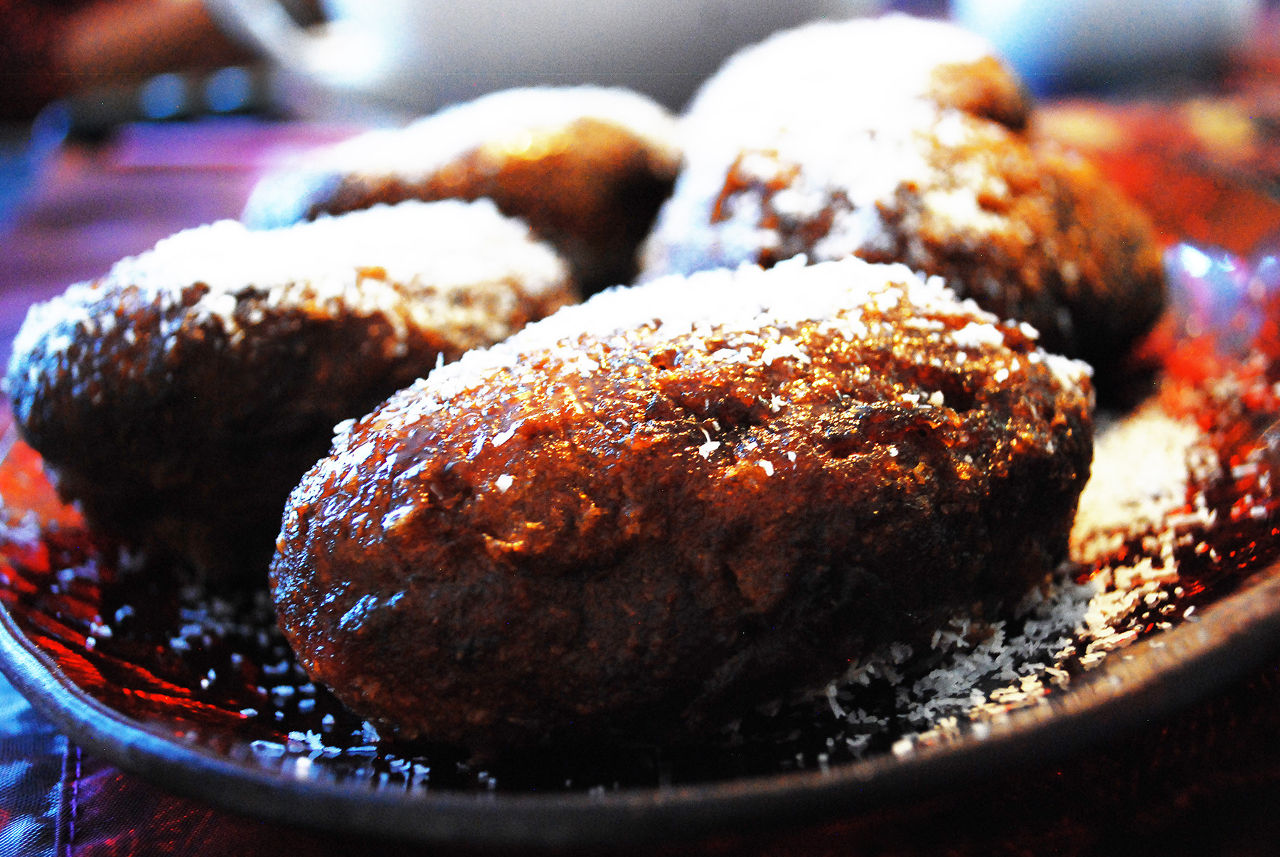
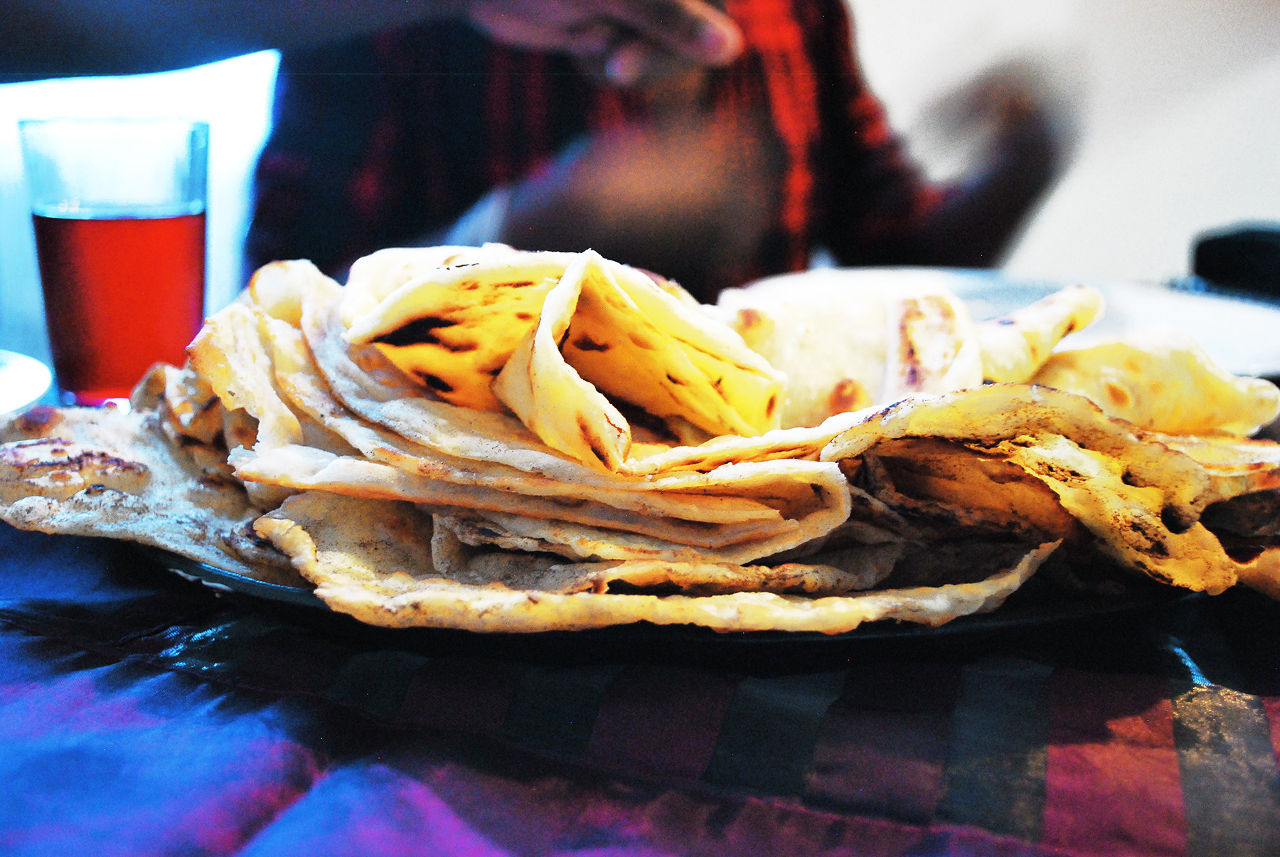
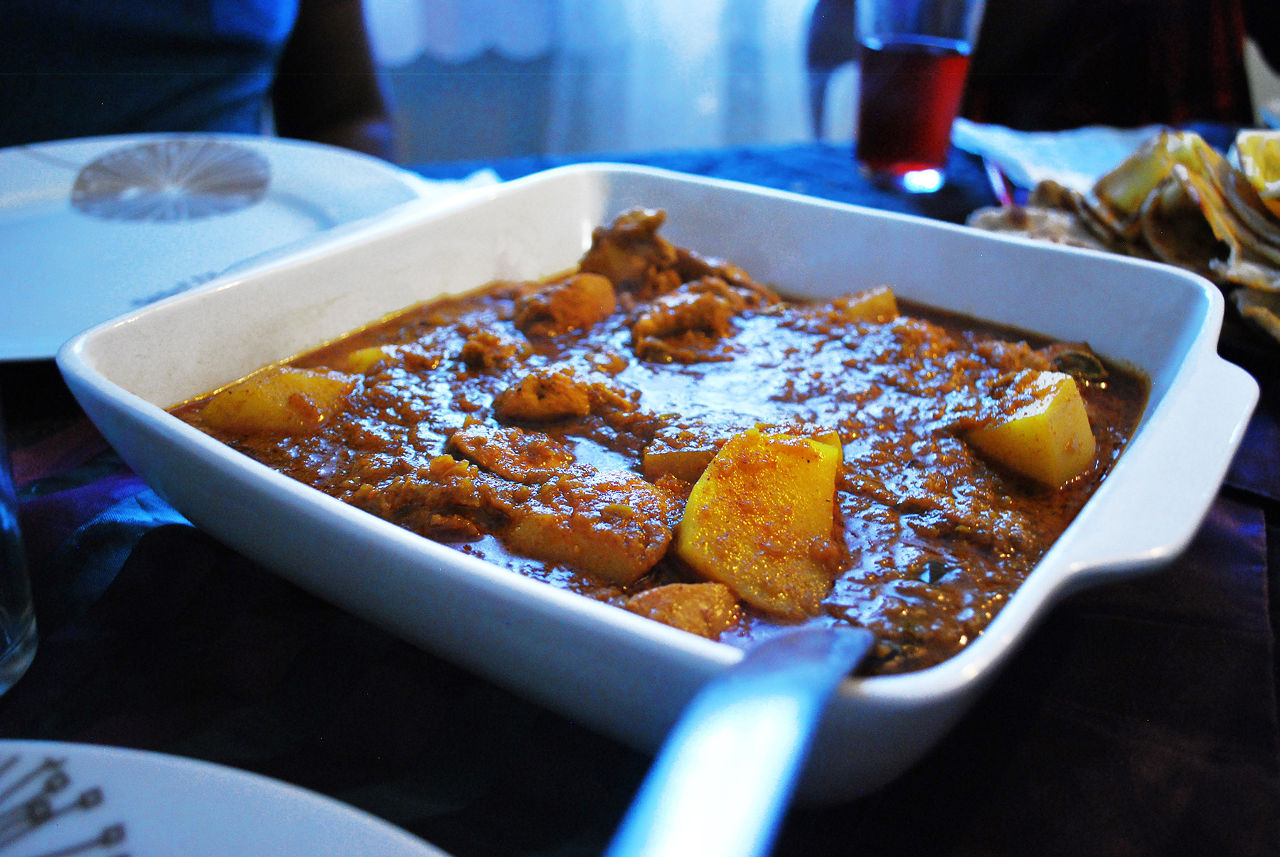
Faldela, a retired kindergarten teacher is a master chef in the kitchen and the perfect personality to teach the group how to weave some of her culinary magic. The cooking lesson is a hands-on experience that requires everyone to roll up their sleeves and get involved. We begin by making our own Samoosas, which we load up with corn and cheese filling. After we fold our Samoosas we learn how to mix Masala, a spice blend that marries a meddly of dried spices, and is a fine balance of delicate flavours. Once we’ve prepared the Masala we start with the main course, a delicious curry dish accompanied by Rotis. And of course it’s not all hot and spicy. For dessert Faldela teaches us how to make traditional Malay koeksisters, a braided doughnut dessert that’s then deep-fried.
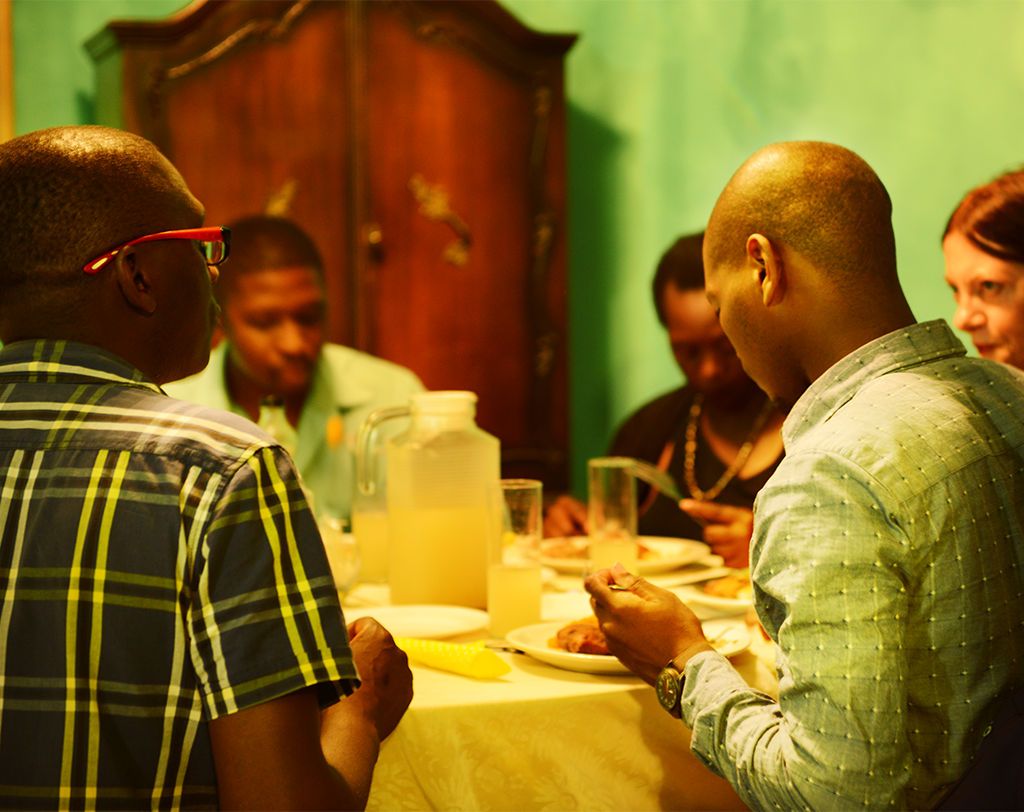
Along the way on this culinary experience Faldela doesn’t simply instruct us on how to prepare local favourites, but is mindful to teach us about how the area’s history and religion are interwoven with Bo-Kaap culture. Once all the courses are ready, it’s time to taste and hopefully appreciate our handiwork, but not before we say a Muslim prayer. Once we’ve said grace we proceed to dig in in the acceptable Muslim way, using the right hand to eat and the left on the thigh under the table. The food is no doubt a delicious and fitting end to a lively day filled with the flavours and personalities of the Bo-Kaap.
1. A walk through the Bo-kaap including a visit to one or two local shops.
2. Bo-Kaap museum.
3. Hands-on cooking session/demonstration.
4. Ingredients for cooking session.
5. Traditional non-alcoholic welcome drink.
6. Full course Cape Malay meal.